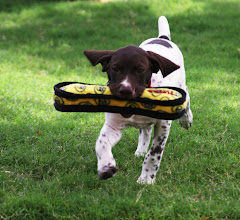
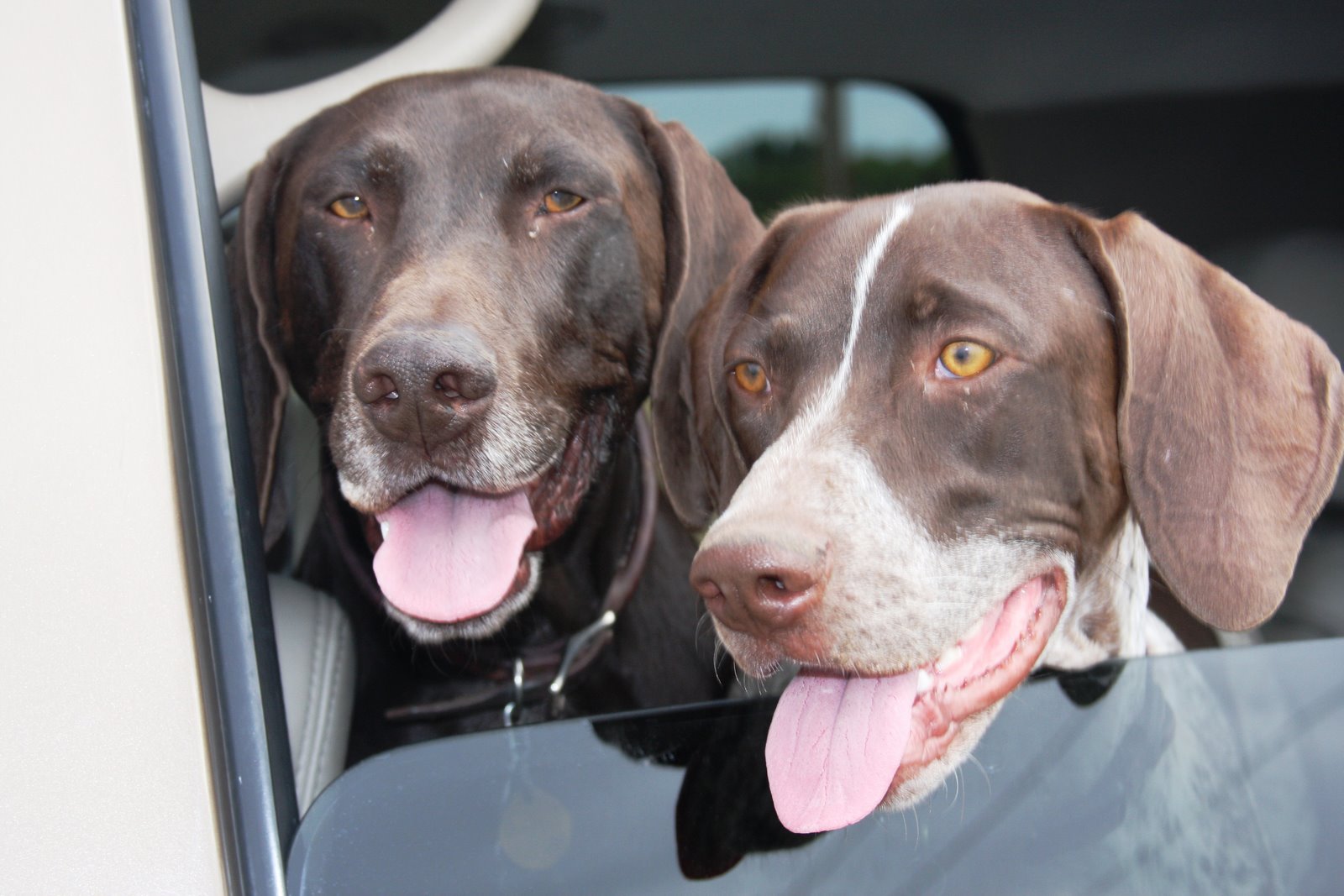
Saturday morning, Zack the Wonder Dog, Zoie the Wonder Pup and I will rise with the chickens and be out at the shooting range by 6 a.m. – and if you’re a dog owner, you should get out there, as well. Saturday, the annual Llano Estacado Bird Hunting Association’s “De-Snaking Clinic” will start at 7:30 a.m.
What is a desnaking clinic, you ask? Well, it’s just what it says...it is an organized event where dogs are exposed to rattlesnakes so the dogs will understand the danger of such and learn to avoid the deadly creatures. Most hunting dog owners bring out their dogs to go through the training, and many dogs were there for a refresher. Regular city dogs are there, as well. Everyone’s getting ready for the upcoming hunting season, and as such, this is a timely clinic. Venomous snake bites translate into huge vet bills, long recovery time, and sometimes can be fatal.
Dogs are, by nature, nosy creatures. Dogs have a natural curiosity about snakes, and most often, will not naturally avoid them. Zack and Zoie, by virtue of their breed, are hunting dogs, and stay pretty much nose down anytime they are outside. Chances are good that one of them will stumble across one of those ornery snakes at some time, and we want them protected. Sometimes, dogs will survive a snake bite, but just as often, the snake bites are deadly. (There is also a new
Rattlesnake Venom Vaccination (a series of two shots, a month apart) which lessons the toxicity of the venom, should a dog suffer a bite.)
Here’s how the clinic is set up. First, registration and release of liability is executed. Your dog is put on a lead, fitted with a shock collar, and then released to the handler. Two rattlesnakes are planted in the field. Their mouths are sewn shut so there is no chance of a bite or venomization. The handler (in this case, Ray Grappe, a renowned hunter trainer from Levelland, Texas) takes your dog to one snake, which is out in the open. Depending on your dog’s reaction, if the dog is curious and gets close to the snake, a shock will be administered. The dog will associate the shock with a rattlesnake, and won’t get close to it, should he happen on a rattlesnake in the future. The snakes also have handlers – as the day progresses, and warms up, those snakes want to move around.
Last year, Zack smelled that snake and wouldn’t have anything to do with it. He didn’t need any shock treatment at all. Zack tried to put the handler between himself and the snake, even at times leaning on Ray's leg. Zack reacted the very same way to the second snake hidden in the field. To my knowledge, Zack has not yet been exposed to a snake. Ray said that some dogs are smart, and just know that rattlesnakes are dangerous and won’t go around them. I was proud of Zack. (I’m a little worried about how Zoie will react - she'll probably try to lick the snake!)
Last year, there were 87 people signed in before I left at 10 a.m., and many of them had multiple dogs. This wasn’t just for hunting dogs – I saw Daschunds, Corgis, Westies, Schnauzers, all sorts of breeds. One young man brought an albino deaf Aussie. It was doubly important that this Aussie be de-snaked, since she couldn’t hear. She was going to have to go strictly on smell. She performed very well in the training.
There were hilarious moments, as well. One huge black lab saw that snake, and took off the other way, dragging the unsuspecting handler about 30 feet. The lab raced back to his owner, causing everyone to laugh, even the handler.
DE-SNAKING CLINIC
SATURDAY, AUGUST 9, 2008
7:30 A.M. UNTIL 12:00 NOON
PERMIAN BASIN SHOTGUN RANGE
1.25 miles South of I-20 on FM 1788
SENSITIZE YOUR DOG TO AVOID SNAKES
This method is effective for farm and ranch dogs, bird dogs, or any other type of dog that may be exposed to snakes. This method requires only 15 to 20 minutes to complete.
First Dog………………………………………$35
Each additional Dog…………………………..$25
Repeat Dogs…………………………………..$25
It’s fun to meet all the dogs and their owners, see each dog react differently, and know that each dog learned something. And they’ll all be safer when they’re exposed to the deadly rattlesnakes. The Llano Estacado Bird Hunting Association does a great job, and I commend them for their service to this community. I'll be handling registration - come see me!

 Zanna learned her lesson after the first time she saw the snake. When she got shocked, she flipped over backwards. In the bottom picture, she sees the second snake, and is readying to run back to the gate, where we are standing. She got there post-haste. She is no dummy.